How to Use Binance Exchange: A Complete Beginner's Guide to Trading & Features

Binance is currently the world’s largest cryptocurrency exchange by trading volume, offering a platform for users to buy, sell, and trade a wide variety of digital assets such as Bitcoin, Ethereum, and thousands of altcoins. Founded in 2017 by Changpeng Zhao, Binance has grown rapidly due to its low trading fees, high liquidity, and extensive range of services, including spot trading, futures, staking, and an NFT marketplace. The exchange operates globally but has region-specific platforms in the United States (Binance.US) and other countries to comply with local regulations.
To start using Binance, the first step is to create an account. Visit the official Binance website or download the mobile app from the App Store or Google Play. During registration, you will need to provide a valid email address or phone number and create a strong password. Binance requires identity verification (KYC) for most features, which means you must upload a government-issued ID and complete a facial recognition process. Once verified, you can deposit funds into your account. Binance supports multiple deposit methods: you can transfer cryptocurrency from another wallet, or use fiat currency via bank transfer, credit/debit card, or third-party payment services like Advcash or Simplex.
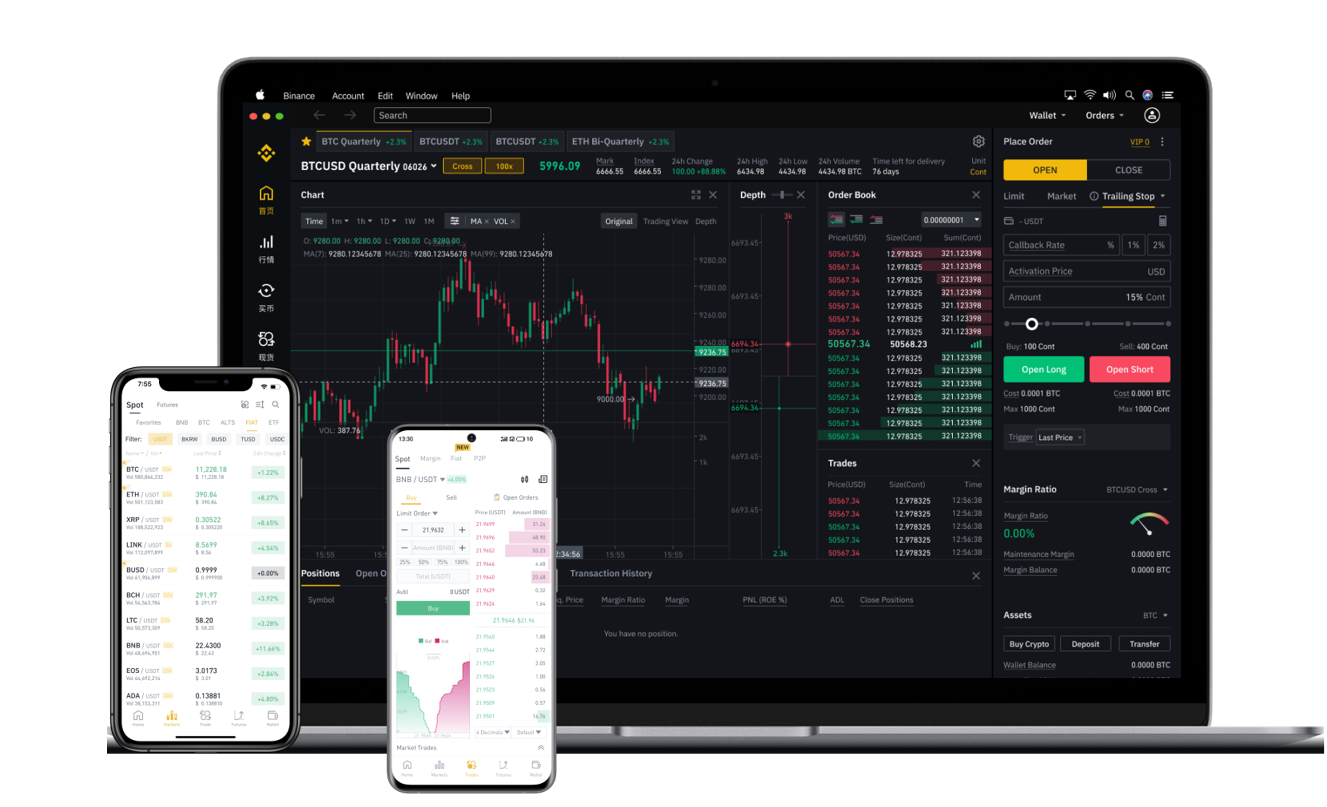
After funding your account, you can begin trading. The most common method is “spot trading,” where you buy and sell coins at the current market price. On the Binance trading interface, you will see a price chart, an order book, and a trading pair selection (e.g., BTC/USDT). To place a market order, simply enter the amount of the base asset you wish to buy or sell, and the order will execute immediately at the best available price. For more control, you can use a limit order, setting a specific price at which you want the trade to occur. Binance also offers advanced trading features like margin trading (borrowing funds to amplify gains) and futures contracts (speculating on price movements with leverage). However, these features carry higher risk and are recommended only for experienced users.
Security is a critical aspect of using Binance. Enable two-factor authentication (2FA) via Google Authenticator or SMS immediately after registration. Also, consider setting up an anti-phishing code and whitelisting withdrawal addresses to prevent unauthorized transfers. Binance stores the majority of user funds in cold wallets (offline storage) but still advises users to store long-term holdings in a private hardware wallet for maximum safety. Additionally, always double-check the URL you are visiting—phishing sites often mimic Binance’s domain to steal login credentials.
Beyond trading, Binance offers a variety of passive income opportunities. Through “Binance Earn,” you can participate in staking, flexible savings, locked savings, or liquidity farming to earn interest on your idle cryptocurrencies. For example, you can stake certain Proof-of-Stake (PoS) coins like Ethereum or Cardano and receive rewards regularly. Binance also runs a Launchpad platform where users can invest in new token projects before they hit the public market, often at a discounted rate. These features make Binance more than just an exchange—it functions as a comprehensive ecosystem for crypto finance.
Finally, it is important to be aware of fees and limitations. Binance’s standard trading fee is 0.1% per trade, which is lower than many competitors. You can further reduce this fee by holding Binance Coin (BNB) in your account or increasing your trading volume. Withdrawal fees vary by cryptocurrency and are subject to network conditions. Beginners should also start with small amounts to test the platform’s functionalities and avoid investing more than they can afford to lose. For troubleshooting, Binance provides a 24/7 customer support chatbot and an extensive FAQ section, though phone support is limited.
In summary, Binance is a powerful and versatile exchange suitable for both beginners and advanced traders. By following the steps above—registration, verification, funding, and security setup—you can start trading cryptocurrencies in minutes. The platform’s wide selection of coins, low fees, and additional earning tools give it a competitive edge, but it requires users to stay informed and cautious. Whether you are looking to make your first Bitcoin purchase or explore complex derivatives, Binance remains a top choice in the crypto space.