How to Use Binance in Shenzhen: A Complete Guide for Traders

Binance, one of the world’s largest cryptocurrency exchanges, is widely used by traders in Shenzhen. However, due to local regulations and network restrictions, using Binance directly in mainland China, including Shenzhen, requires some specific steps. This guide outlines the practical process for accessing and using Binance from Shenzhen.
First, it is important to understand the legal context. The Chinese government has banned cryptocurrency trading platforms from operating within the country. Binance does not have a licensed entity in mainland China, and its official website may be blocked. Therefore, users in Shenzhen typically need to use a reliable VPN (Virtual Private Network) to access the Binance website or app. Choose a VPN with strong encryption and servers in jurisdictions where Binance is fully accessible, such as Hong Kong, Singapore, or Japan.
Once you have a stable VPN connection, you can visit the official Binance website (binance.com) or download the Binance mobile app. Registration requires an email address and a strong password. After registration, Binance will ask for identity verification (KYC). Even if you use a VPN, it is recommended to use your real identification documents (such as a Chinese passport or a Hong Kong ID if applicable). Some users in Shenzhen use overseas identification if they have it, but using fake documents is risky and may lead to account freezing.
After verification, you can deposit funds. The common method for Shenzhen users is P2P trading. Binance’s P2P platform allows you to buy USDT or other stablecoins directly from other users using Chinese yuan (CNY) via Alipay, WeChat Pay, or bank transfers. Select a seller with a high completion rate and good reviews. Always complete the payment within the specified time and confirm the receipt of crypto on the platform. Do not chat or accept any off-platform payment requests to avoid scams.
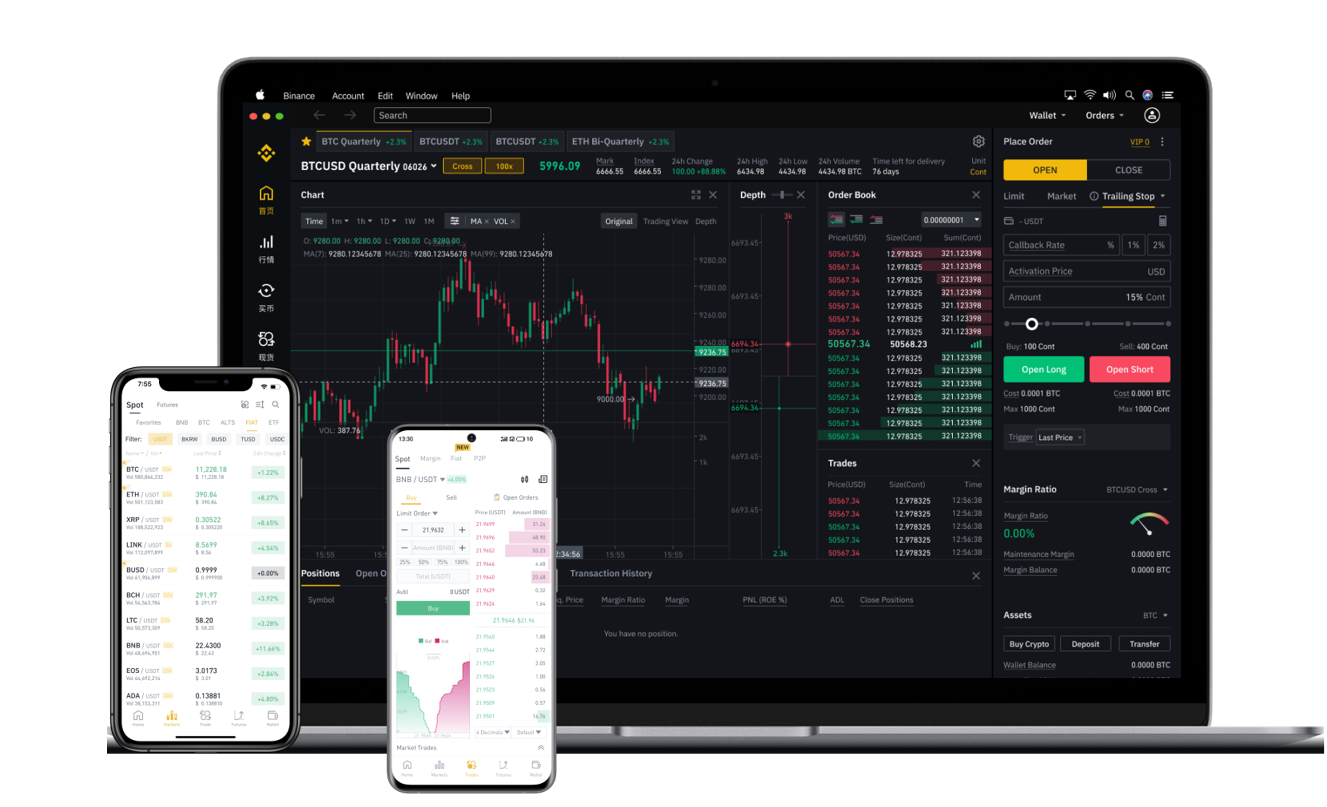
Once you have USDT in your spot wallet, you can start trading. The “Convert” feature is beginner-friendly: you simply select the amount of USDT and the coin you want to buy (like BTC or ETH). For more experienced traders, the “Trade” section offers spot, margin, and futures markets. If you are in Shenzhen, note that futures and margin trading with high leverage carry significant risk, especially under uncertain regulatory conditions.
Withdrawing funds is also done mainly through P2P. On the P2P page, switch to “Sell” and select a buyer who pays in CNY via Alipay or WeChat. Release the crypto only after the buyer confirms the payment has arrived in your bank account or e-wallet. Always keep screenshots of transactions for future reference.
A few security tips for Shenzhen users: enable two-factor authentication (2FA) using Google Authenticator, not SMS (which can be intercepted). Do not log in to your account on public Wi-Fi. Binance also provides a “Whitelist” feature for withdrawal addresses—activate it to prevent unauthorized transfers. Finally, stay aware of any changes in local regulations. Some Shenzhen users have reported occasional bank account freezes after receiving P2P payments from flagged sources. To minimize this risk, only trade with high-volume, reliable P2P merchants and avoid frequent large transfers.
In summary, using Binance in Shenzhen is feasible through a VPN, full identity verification, and careful P2P trading. The platform offers a wide range of coins and trading tools, but users must prioritize security and compliance with local laws. Always stay updated on the latest network access methods and regulatory announcements to ensure a smooth trading experience.