How to Operate on Exchanges Where Binance Coin (BNB) Is Listed: A Practical Guide

As Binance Coin (BNB) continues to maintain its position as a top-tier cryptocurrency by market capitalization, it is now listed on dozens of centralized and decentralized exchanges worldwide. For both novice and experienced traders, understanding how to properly operate on these platforms is essential. This guide outlines the key steps and considerations for buying, trading, and managing BNB on exchanges where it is officially listed.
First, before any transaction, you must select a suitable exchange. While Binance itself remains the primary platform for BNB, the coin is also listed on major exchanges such as Coinbase, Kraken, Huobi, KuCoin, and OKX. Each platform has its own registration process, including identity verification (KYC) protocols. You will need to create an account, complete the verification steps by submitting a valid ID and often a selfie, and set up two-factor authentication (2FA) for security. For decentralized exchanges like PancakeSwap or Uniswap, you will need a web3 wallet such as MetaMask or Trust Wallet, as these platforms operate without a central intermediary.
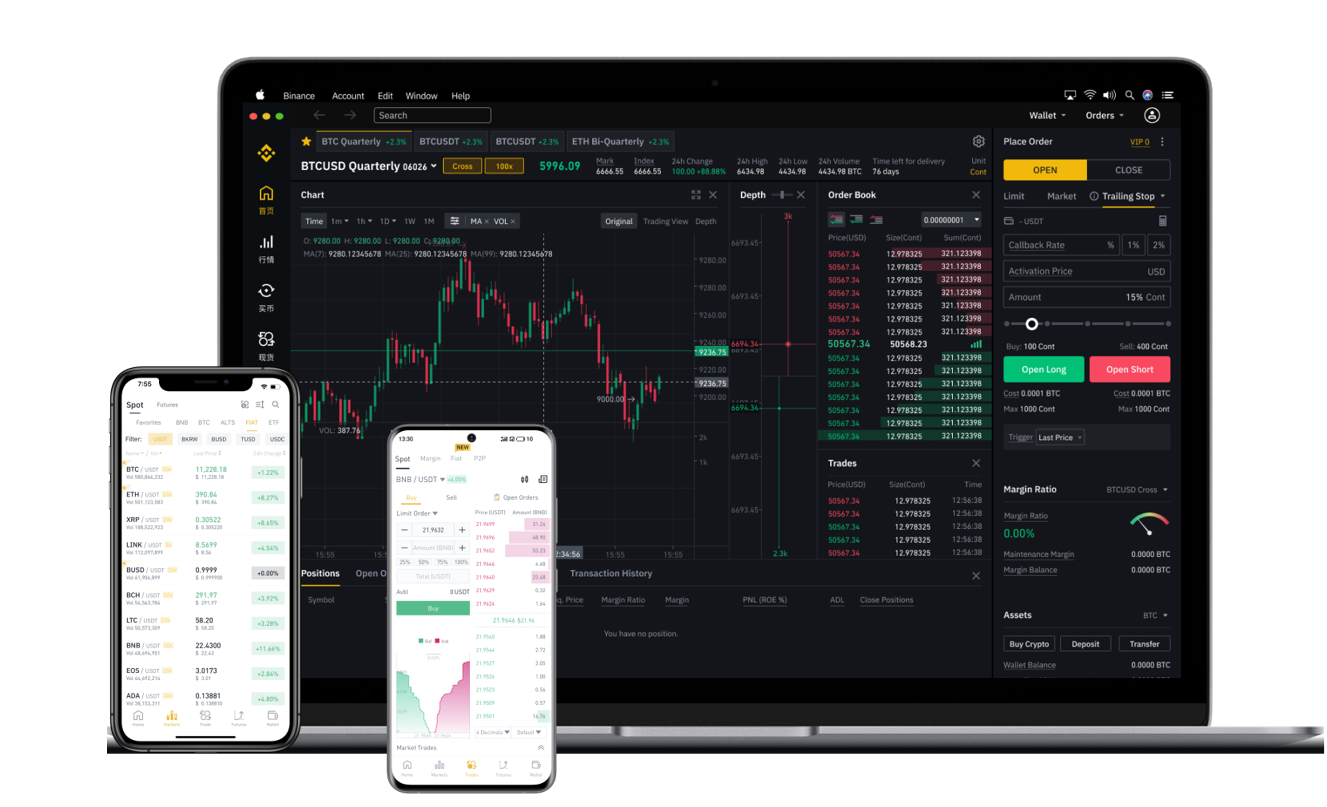
Once your account is verified and funded, the next step is acquiring BNB. Most exchanges offer several methods: you can deposit fiat currency (e.g., USD, EUR) via bank transfer, credit card, or debit card and then place a market or limit buy order for BNB. Alternatively, you can deposit another cryptocurrency like Bitcoin (BTC) or Tether (USDT) and then trade it for BNB. It is important to compare trading pairs. On exchanges like Binance, BNB is directly paired with USDT, BTC, and BUSD, while on other platforms, you may first need to trade into a stablecoin before converting to BNB. Always review the trading fee structure, as BNB holders on Binance receive a 25% discount on fees, but this benefit does not apply on other exchanges.
After acquiring BNB, you have several operational options. You can hold it as an investment, use it to pay for trading fees on supported platforms, stake it for passive income, or transfer it to other wallets. When withdrawing BNB from an exchange, you must double-check the withdrawal network. BNB exists on multiple blockchains, primarily the Binance Chain (BEP-2) and Binance Smart Chain (BEP-20), as well as Ethereum (ERC-20) as wrapped BNB. Sending BNB using the wrong network will result in a permanent loss of funds. Most exchanges today default to the BEP-20 network for withdrawals, which offers lower fees and faster confirmation times.
Security should never be overlooked. On centralized exchanges, enable withdrawal whitelists and keep most of your BNB in a personal hardware wallet or a non-custodial wallet like Ledger or Trezor rather than leaving it on the exchange. For DeFi platforms like PancakeSwap, you must be cautious of phishing sites and approve only the exact amount of tokens required for a swap. Additionally, monitor gas fees on the Binance Smart Chain, which, while generally lower than Ethereum, can spike during periods of high meme coin trading or NFT minting.
Finally, staying informed about exchange policies is critical. Some platforms periodically delist or suspend BNB trading due to regulatory concerns or security audits. Regularly check the exchange’s announcements page or follow its official social media channels. Set price alerts for BNB if you plan to trade actively, and never invest more than you can afford to lose. By following these steps—choosing a verified exchange, understanding withdrawal networks, prioritizing security, and staying updated—you can efficiently and safely operate on any platform where Binance Coin is listed.