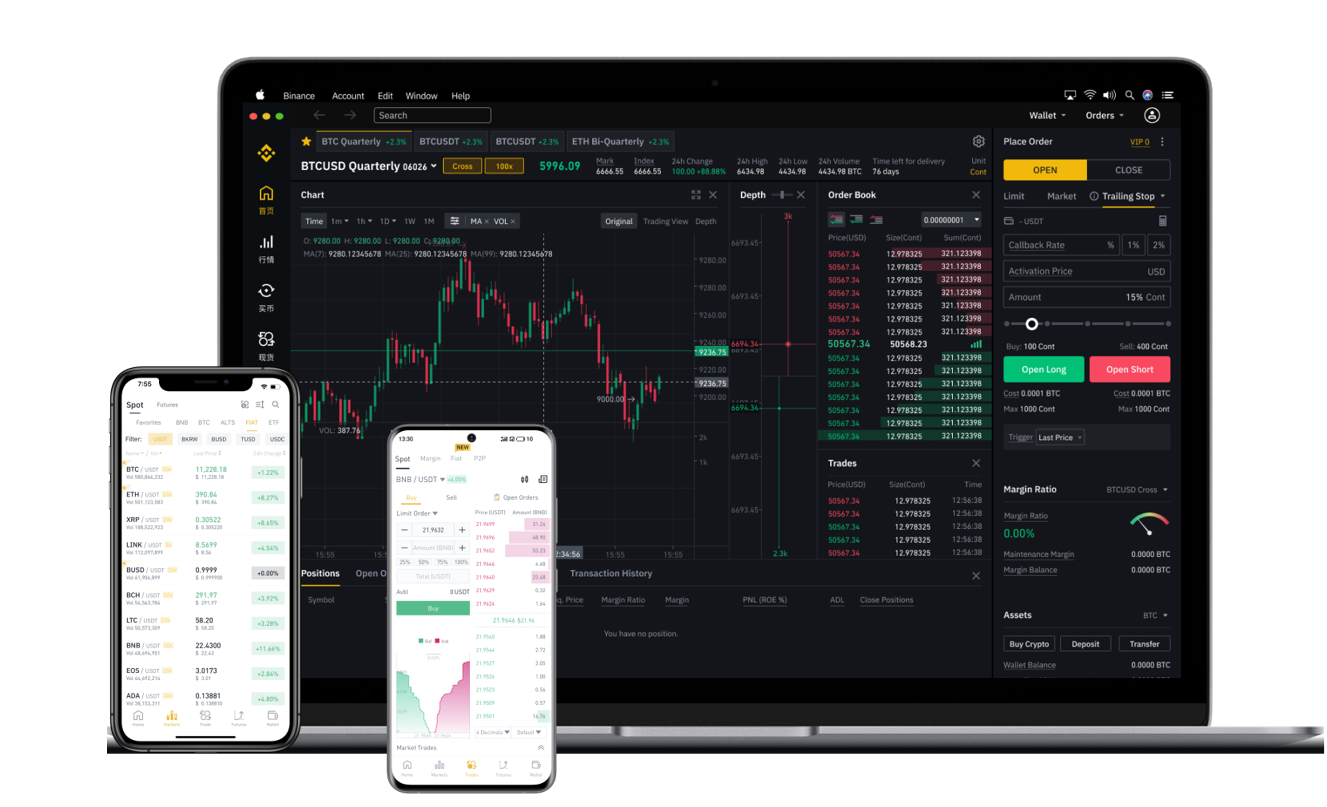
US Overseas Student Guide: Managing Finances with USDC Stablecoin
For international students embarking on their academic journey in the United States, navigating the complex world of cross-border finances is a primary challenge. Traditional methods of receiving funds from home, paying tuition, or managing daily expenses often involve high bank fees, unfavorable exchange rates, and slow processing times. This financial friction can add unnecessary stress to an already demanding experience. However, a new financial tool is emerging as a potential solution: USD Coin (USDC).
USDC is a type of cryptocurrency known as a stablecoin. Its core value proposition is stability; each USDC token is digitally pegged 1:1 to the US dollar and is backed by fully reserved assets held in regulated US financial institutions. For the overseas student, this means it combines the borderless, digital efficiency of crypto with the price stability of the dollar. Unlike more volatile cryptocurrencies like Bitcoin, USDC's value does not fluctuate wildly, making it a reliable medium for storing and transferring value.
The practical applications for a US student using USDC are significant. Firstly, it can dramatically streamline international money transfers. A student's family can convert local currency to USDC through a compliant exchange in their home country and send it directly to the student's digital wallet almost instantly and at a fraction of the cost of a traditional SWIFT transfer. Upon receipt, the student can hold the USDC, use it directly with a growing number of merchants, or convert it to US dollars and withdraw to a local bank account.
Furthermore, USDC facilitates efficient budgeting and expense management. Students can receive their monthly allowance in USDC, avoiding repeated international transfer fees. They can also explore decentralized finance (DeFi) platforms to earn interest on their idle USDC holdings, a feature rarely available with traditional student checking accounts. Paying for services like online subscriptions or even certain off-campus housing arrangements that accept digital currency becomes seamless.
It is crucial to acknowledge that using USDC requires a learning curve. Students must select a secure and reputable digital wallet, use a licensed cryptocurrency exchange, and understand their tax reporting obligations in both their home country and the US. The regulatory landscape is also evolving. Despite these considerations, for the tech-savvy international student, USDC presents a compelling, modern alternative for financial management. It empowers them with faster, cheaper, and more transparent control over their finances, allowing them to focus more on their studies and less on costly and cumbersome banking hurdles.
In conclusion, as the digital asset ecosystem matures, tools like USDC are poised to become integral to the global student experience. By leveraging this stable digital dollar, US overseas students can gain a significant advantage in managing their economic life, turning a perennial pain point into an opportunity for innovation and efficiency.