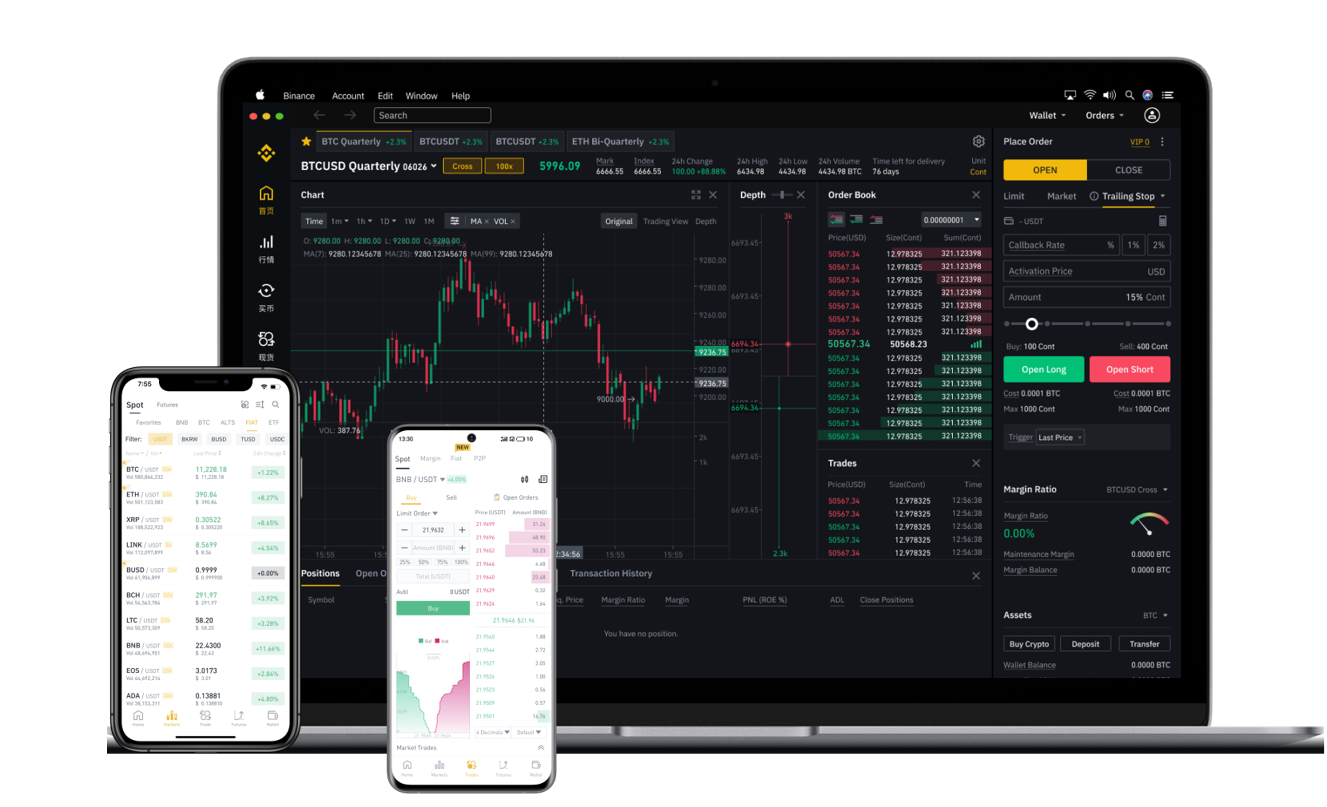
How Big Is Binance Exchange? A Deep Dive Into Its Global Trading Scale & Market Dominance

When traders ask "How big is Binance exchange?", the answer often reveals a scale that is difficult for casual observers to fully grasp. As the world’s leading cryptocurrency platform, Binance has not merely grown—it has fundamentally reshaped the landscape of digital asset trading. To understand its size, one must look beyond simple user counts and examine trading volumes, global reach, and product diversity.
First, consider raw trading volume. On an average day, Binance consistently handles spot trading volumes ranging from $10 billion to over $30 billion, depending on market volatility. This figure often surpasses the combined volume of its three closest competitors. In derivatives trading, which includes futures and options, the platform frequently processes tens of billions in notional turnover daily. At its peak, Binance has been reported to control over 50% of the global spot market share and a significant portion of the futures market. For context, this trading volume is larger than many traditional stock exchanges in Asia and Europe.
Second, the platform’s user base is staggering. Binance has amassed over 180 million registered users worldwide. This figure has grown rapidly through aggressive localization strategies, including support for dozens of fiat currencies and language options. The exchange operates in nearly every major jurisdiction, with dedicated platforms in the United States (Binance.US, a separate entity) and regulated entities in countries like France, the UAE, and Bahrain. This global footprint means that whenever a major market event occurs—such as a Bitcoin rally or a regulatory announcement—Binance is often the first point of contact for millions of traders.
Third, the exchange’s ecosystem extends far beyond simple trading. Binance owns one of the largest blockchains in the world, BNB Smart Chain (BSC), which hosts thousands of decentralized applications and processes billions in on-chain value. The platform also offers non-custodial wallets, a launchpad for new crypto projects, an NFT marketplace, and a stablecoin (BUSD). This vertical integration creates a network effect: users who trade on Binance are more likely to use its blockchain and other services, reinforcing the exchange’s dominance.
However, scale also brings scrutiny. Regulators in the United Kingdom, Japan, and Canada have taken action against the platform for compliance issues, forcing Binance to adapt and restructure its operations. Despite these challenges, the exchange has demonstrated remarkable resilience by shifting its headquarters to jurisdictions with clearer crypto regulations and investing heavily in compliance teams.
In summary, the scale of Binance exchange is not merely large—it is systemic within the cryptocurrency industry. Its daily trading volume rivals that of major national stock exchanges, its user base exceeds the population of most countries, and its ecosystem touches every corner of the crypto economy. While regulatory hurdles remain, its sheer size makes it an unavoidable force for traders, investors, and regulators alike. Understanding Binance’s scale is essential for anyone serious about participating in the global digital asset market.